



Eukaryotic Initiation Factor (eIF)
Eukaryotic initiation factors (eIFs) are proteins involved in the initiation phase of eukaryotic translation. These proteins help stabilize the formation of the functional ribosome around the start codon and also provide regulatory mechanisms in translation initiation.
Eukaryotic initiation factor 2B (eIF2B) is a guanine nucleotide-exchange factor which mediates the exchange of GDP (bound to initiation factor eIF2) for GTP, thus regenerating the active [eIF2.GTP] complex that is required for peptide-chain initiation. The activity of eIF2B is a key control point for eukaryotic protein synthesis and is altered in response to viral infection, hormones, nutrients, growth factors and certain stresses.
Eukaryotic translation initiation factor 4E (eIF4E) is best known for its function in the initiation of protein synthesis on capped mRNAs in the cytoplasm. Eukaryotic initiation factor (elF) 4A functions as a subunit of the initiation factor complex elF4F, which mediates the binding of mRNA to the ribosome.
All Product Categories
-
Eukaryotic Initiation Factor (eIF) Inhibitors
(78)
View all products
-
Eukaryotic Initiation Factor (eIF) Antagonist
(1)
View all products
-
Eukaryotic Initiation Factor (eIF) Activators
(34)
View all products
-
Eukaryotic Initiation Factor (eIF) Modulators
(13)
View all products
-
Eukaryotic Initiation Factor (eIF) Chemicals
(3)
View all products
-
Eukaryotic Initiation Factor (eIF) Degraders
(2)
View all products
-
Eukaryotic Initiation Factor (eIF) Control
(1)
View all products
-
Eukaryotic Initiation Factor (eIF) Ligands
(3)
View all products
-
Eukaryotic Initiation Factor (eIF) Related Products (145)
Related Products (145)

-
Antibodies (15)
-
ISRIB
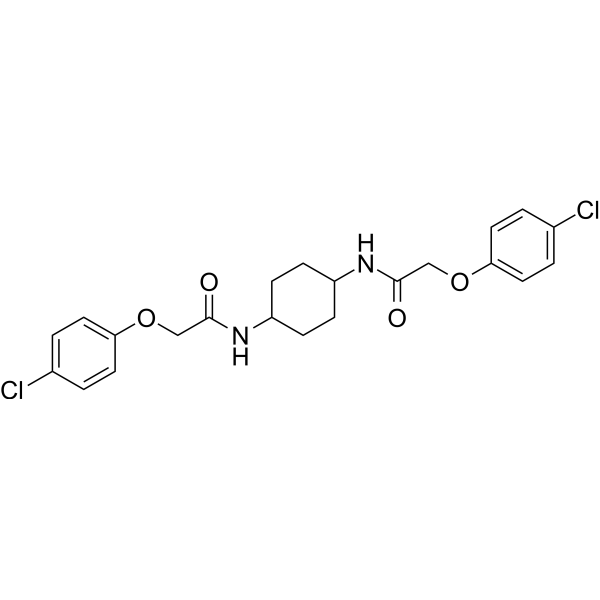 0 ImagesISRIB is a brain-penetrant inhibitor of integrated stress response (ISR). Persistent activation of the ISR has been linked to the development of several neurological disorders as ISR represses translation through inhibiting eIF2B. ISRIB inhibits the ISR by promoting the nucleotide exchange activity of eIF2B and recovering the translation, and thus can be used for neurological disorders research.
-
GCN2iB
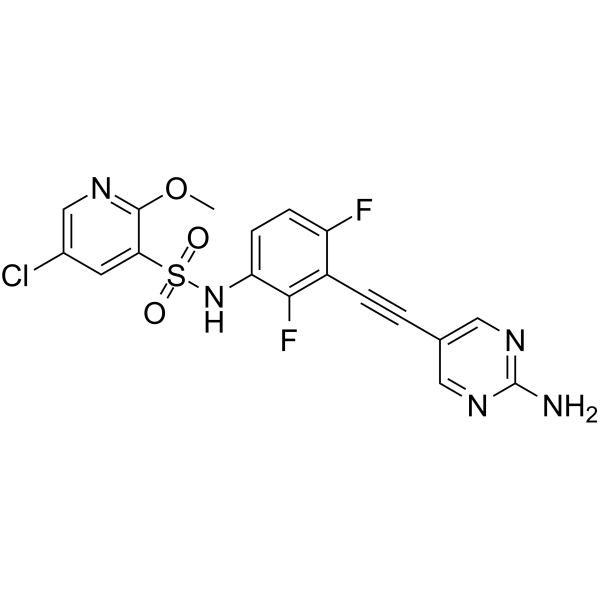 0 ImagesGCN2iB is an ATP-competitive, selective GCN2 inhibitor with an IC50 of 2.4 nM. GCN2iB inhibits the activation of the GCN2 pathway and upregulates GPX4. GCN2iB enhances the anticancer effect of ASNase against acute lymphoblastic leukemia. GCN2iB increases left ventricular ejection fraction, while reducing fasting blood glucose and myocardial fibrosis. GCN2iB can be used in research related to acute lymphoblastic leukemia, acute myeloid leukemia and diabetic cardiomyopathy.
-
ATPγS tetralithium salt
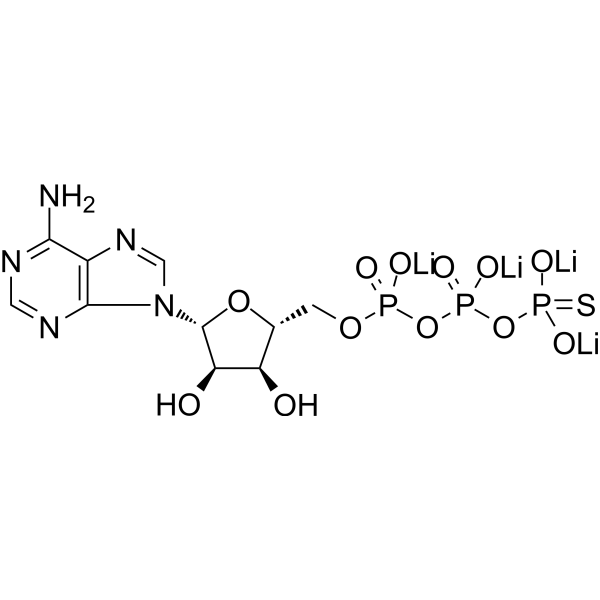 0 ImagesCat. No.: HY-108666CAS No.: 93839-89-5Synonyms: Adenosine-5'-O-3-thiotriphosphate tetralithium salt; Adenosine 5'-[γ-thio]triphosphate tetralithium saltATPγS (tetralithium salt) is a P2Y11 receptor agonist, an antioxidant and a neuroprotective agent. ATPγS (tetralithium salt) can be used as a substrate for the nucleotide hydrolysis and RNA unwinding activities of eukaryotic translation initiation factor eIF4A. ATPγS (tetralithium salt) is active in ATP hydrolysis.
-
GCN2-IN-1
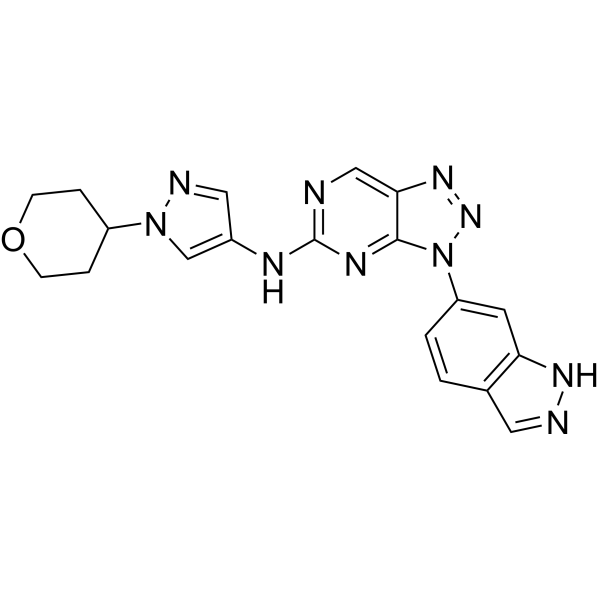 0 ImagesGCN2-IN-1 is a potent general control nonderepressible 2 kinase (GCN2) inhibitor with an IC50 of <0.3 μM in the enzyme assay and an IC50 of 0.3-3 μM in the cell assay.
-
4EGI-1
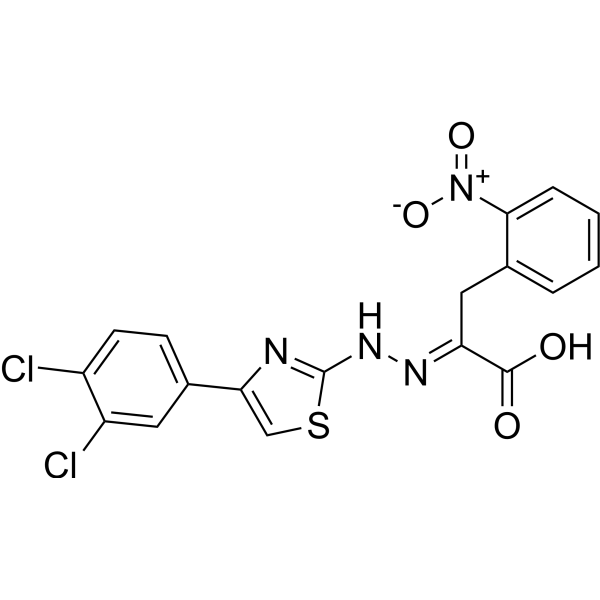 0 Images4EGI-1 is an inhibitor of eIF4E/eIF4G interaction, with a Kd of 25 μM against eIF4E binding.
-
Plecstatin-1 hydrochloride
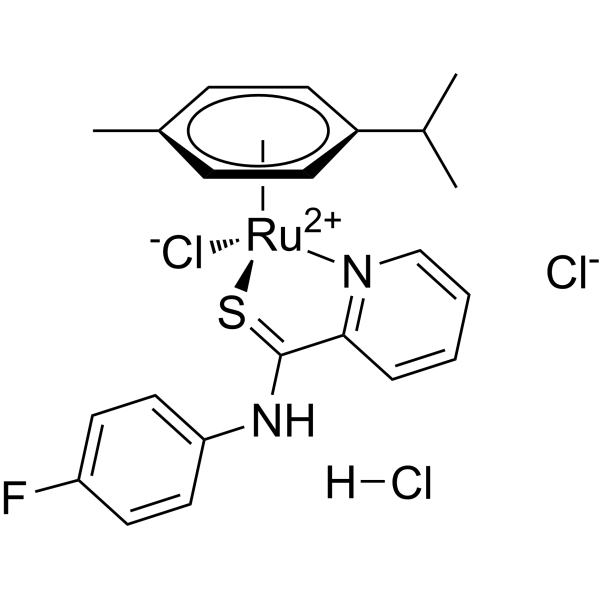 0 ImagesCat. No.: HY-156675APurity: 98.96%Plecstatin-1 hydrochloride is a metal complex that drives the aggregation and collapse of the plectin network, and disrupts the cytoskeletal structures of α‑tubulin and F‑actin. Plecstatin-1 hydrochloride triggers oxidative stress, mediates the phosphorylation of eIF2α, and induces molecular features associated with immunogenic cell death, including calreticulin membrane exposure, membrane localization of HSP70/HSP90, ATP secretion, and HMGB‑1 release. Plecstatin-1 hydrochloride induces apoptosis via the intrinsic mitochondrial pathway and exerts anti-invasive activity. Plecstatin-1 hydrochloride inhibits sphere proliferation and reduces clonogenicity in the 3D tumor spheroid model of colon cancer cells. Plecstatin-1 hydrochloride is applicable to relevant research on colorectal cancer.
-
eIF4A3-IN-8
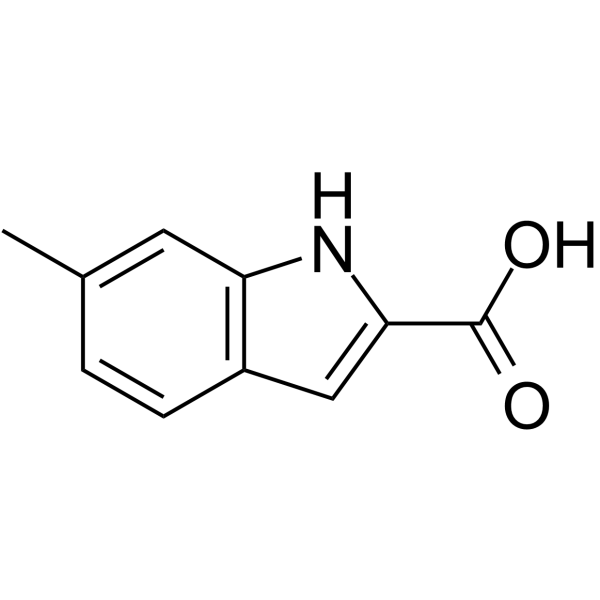 0 ImageseIF4A3-IN-8 serves as a negative control targeting eukaryotic initiation factor 4A3 (eIF4A3), with an IC50 > 100 μM; it exhibits no significant activity.
-
PROTAC MNK1 degrader-1
 0 ImagesSynonyms: P11-2PROTAC MNK1 degrader-1 is a selective MNK1 PROTAC degrader with a DC50 of 11.92 nM, and a Dmax > 96% in MV4-11 cells. PROTAC MNK1 degrader-1 significantly reduces p-eIF4E (IC50: 22.07 nM), induces apoptosis, and arrests the cell cycle at the G1 phase. PROTAC MNK1 degrader-1 has potent antitumor activity. PROTAC MNK1 degrader-1 has robust antileukemic efficacy in MV4-11 xenograft mice model with acceptable drug safety.
-
Rocaglamide
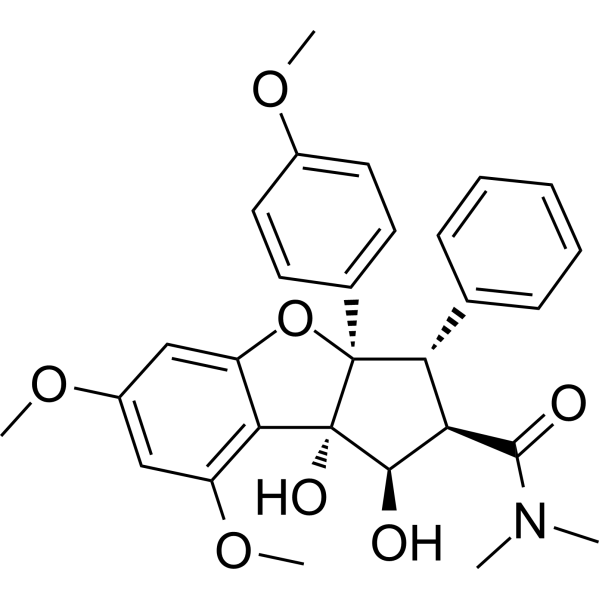 0 ImagesSynonyms: Roc-ARocaglamide (Roc-A) is isolated from the genus Aglaia and can be used for coughs, injuries, asthma and inflammatory skin diseases. Rocaglamide is a potent inhibitor of NF-κB activation in T-cells. Rocaglamide is a potent and selective heat shock factor 1 (HSF1) activation inhibitor with an IC50 of ~50 nM. Rocaglamide inhibits the function of the translation initiation factor eIF4A. Rocaglamide also has anticancer properties in leukemia.
-
Zotatifin
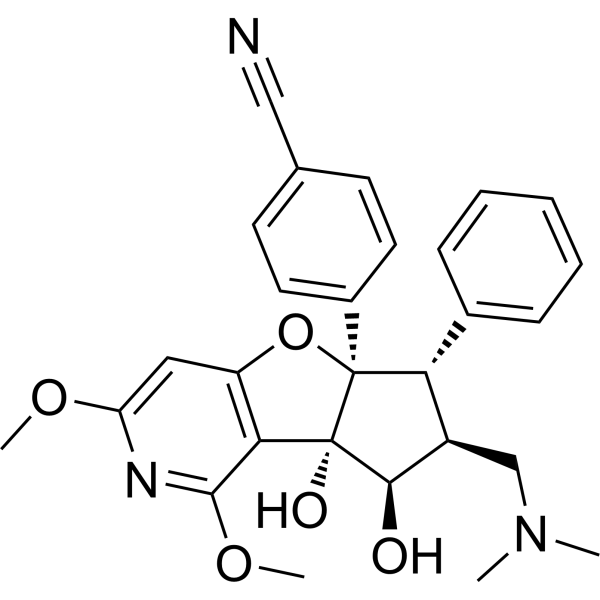 0 ImagesSynonyms: eFT226Zotatifin (eFT226) is a potent, selective, and well-tolerated eIF4A inhibitor. Zotatifin promotes eIF4A binding to specific mRNA sequences with recognition motifs in the 5’-UTRs (IC50=2 nM) and interferes with the assembly of the eIF4F initiation complex. Zotatifin shows robust antiviral effects, it effectively reduces viral infectivity by inhibiting SARS-CoV-2 NP protein biogenesis (IC90=37 nM). Zotatifin induces cell apoptosis.
-
2BAct
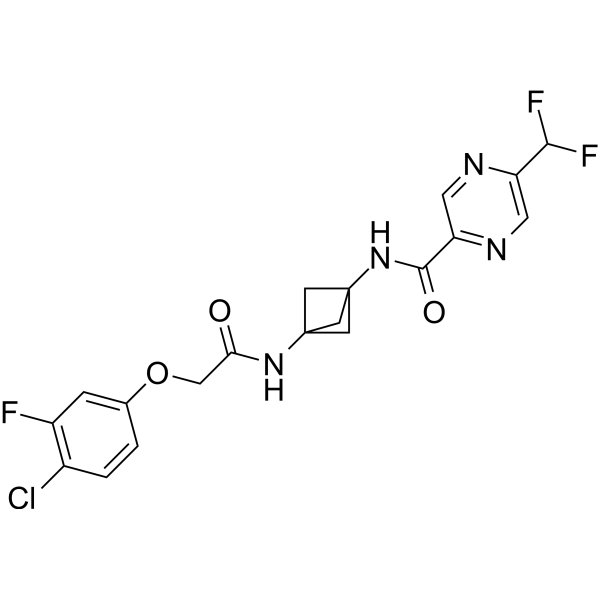 0 Images2BAct is a highly selective, orally active, and CNS-penetrant eIF2B (eukaryotic initiation factor 2B) activator with an EC50 of 33 nM. 2BAct prevents neurological defects caused by a chronic integrated stress response. 2BAct displays improved solubility and pharmacokinetics relative to eIF2B activator ISRIB trans-isomer (HY-12495).
-
Silvestrol
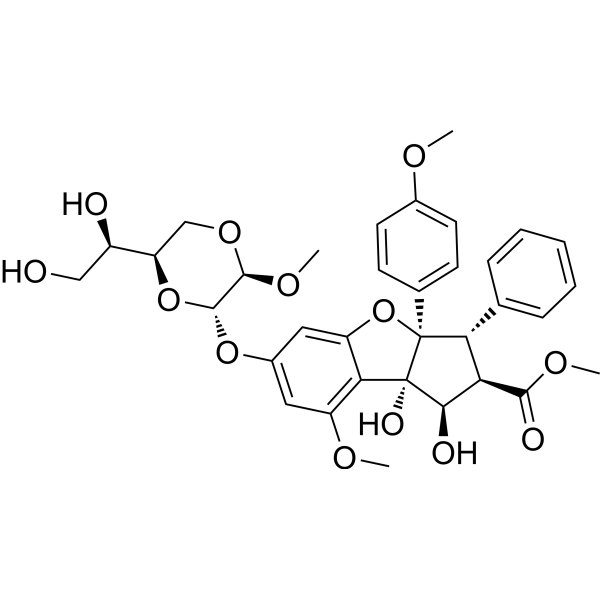 0 ImagesSynonyms: (-)-Silvestrol
-
Necrocide 1
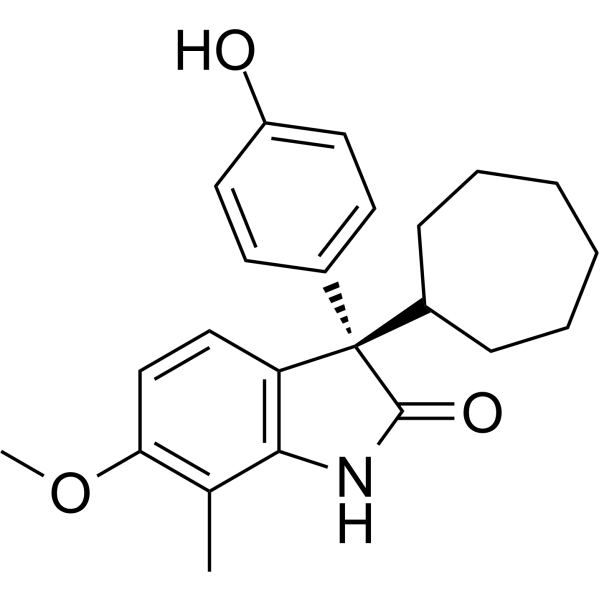 0 ImagesNecrocide 1, a necrosis by sodium overload (NECSO) inducer, is a selective transient receptor potential melastatin 4 (TRPM4) agonist with an EC50 of 306.3 nM for human TRPM4. Necrocide 1 triggers TRPM4-dependent necrotic cell death through the induction of sodium influx. Necrocide 1 induces hallmarks of immunogenic cell death incurring calreticulin (CALR) exposure, ATP secretion and high mobility group box 1 (HMGB1) release. Necrocide 1 can be used for the study of breast and prostate cancer.
-
m7GpppAmpG ammonium solution (100 mM)
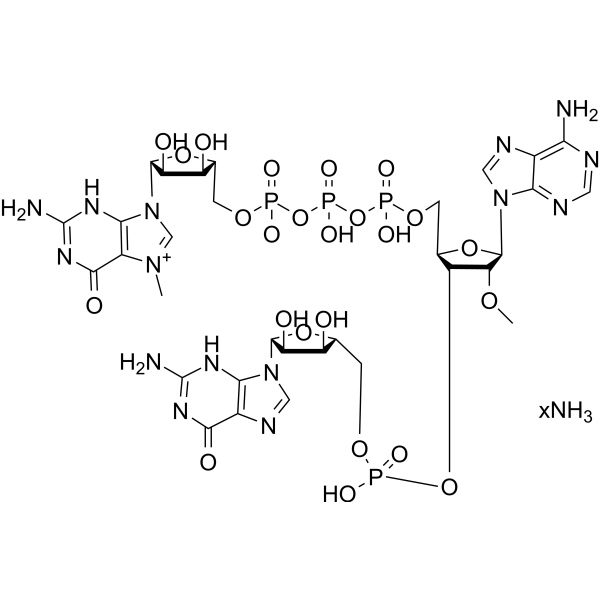 0 ImagesSynonyms: m7G(5')ppp(5')(2'OMeA)pG ammoniumm7GpppAmpG ammonium (m7G(5')ppp(5')(2'OMeA)pG ammonium) is a trinucleotide 5′ end cap analog. m7GpppAmpG ammonium binds to eIF4E with a KD value of 45.6 nM. m7GpppAmpG ammonium caps RNA with a capping efficiency of 90%. m7GpppAmpG ammonium enhances mRNA stability and translation efficiency. m7GpppAmpG ammonium is used in mRNA therapeutic research.
-
L-Azetidine-2-carboxylic acid
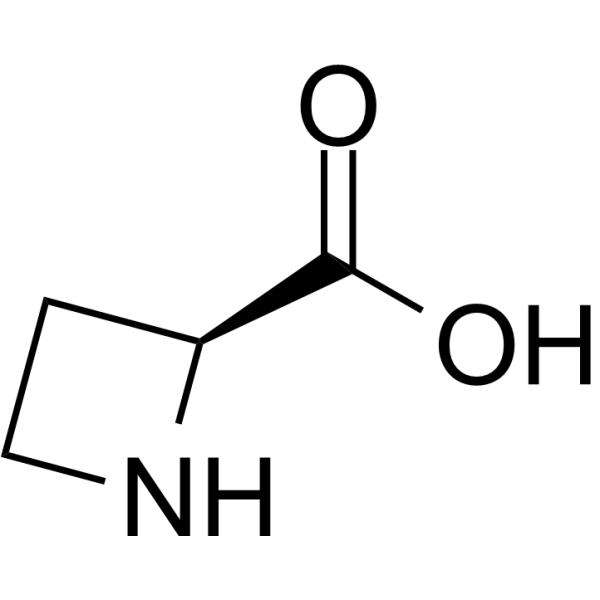 0 ImagesL-Azetidine-2-carboxylic acid is a proline analog. L-Azetidine-2-carboxylic acid upregulates the lipid autophagy marker LC3-II via activation of the PERK pathway. L-Azetidine-2-carboxylic acid increases pro-apoptotic BAX protein. L-Azetidine-2-carboxylic acid induces ATF6 cleavage and upregulates phosphorylated eIF2α levels. L-Azetidine-2-carboxylic acid induces ER stress, inducing protein misfolding and aggregation. L-Azetidine-2-carboxylic acid shows teratogenic, pro-inflammatory and pro-apoptotic effects.
-
ATF4-IN-1
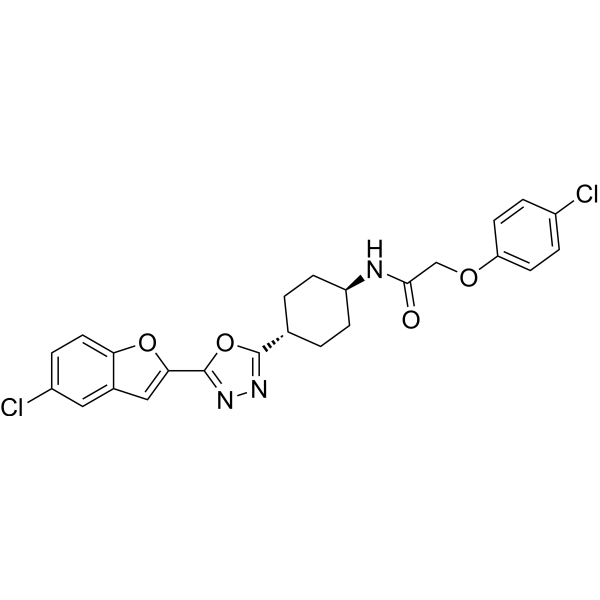 0 ImagesATF4-IN-1 (Compound 21) is an ATF4 inhibitor and also an eIF2B activator. ATF4-IN-1 can be used in research on neurodegenerative diseases.
-
HC-7366
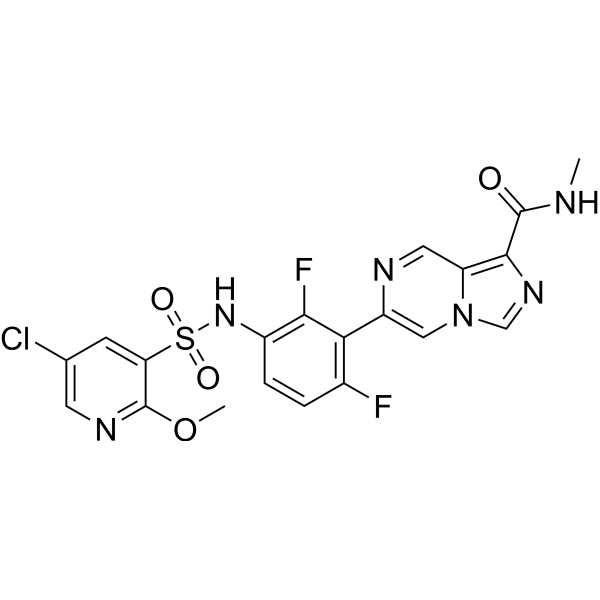 0 ImagesSynonyms: GCN2 modulator-1HC-7366 (GCN2 modulator-1) is an orally effective GCN2 activator. HC-7366 can effectively compete and occupy the ATP binding pocket of GCN2, with its IC50 being 72 nM. This binding triggers the conformational activation of GCN2, leading to the upregulation of downstream signals (such as ATF4, ASNS) in the integrated stress response (ISR) pathway, ultimately exerting anti-tumor effects. HC-7366 also has inhibitory activity against ZAK, with its IC50 being 47 nM. HC-7366 can be used for research on fibrosarcoma and acute myeloid leukemia.
-
CR-1-31-B
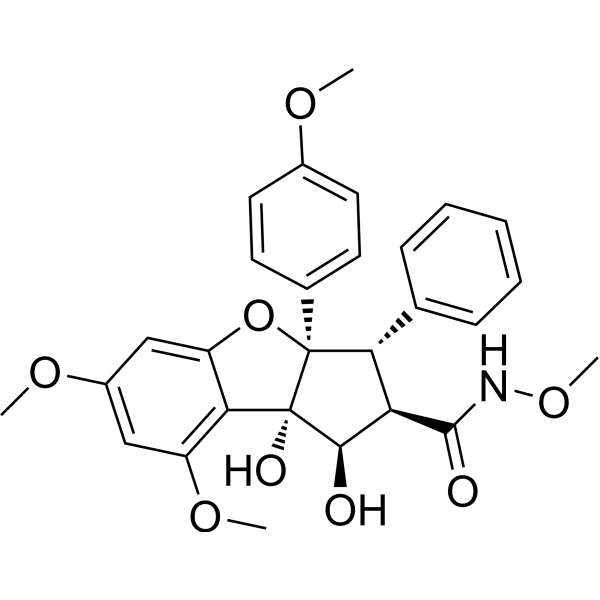 0 ImagesCR-1-31-B is a synthetic rocaglate and a potent eIF4A inhibitor. CR-1-31-B exhibits powerful inhibitory effects over eIF4A by perturbing the interaction between eIF4A and RNA, sequentially impeding initiation during protein synthesis. CR-1-31-B perturbs association of Plasmodium falciparum eIF4A (PfeIF4A) with RNA. CR-1-31-B induces apoptosis of neuroblastoma and gallbladder cancer cells.
-
4E1RCat
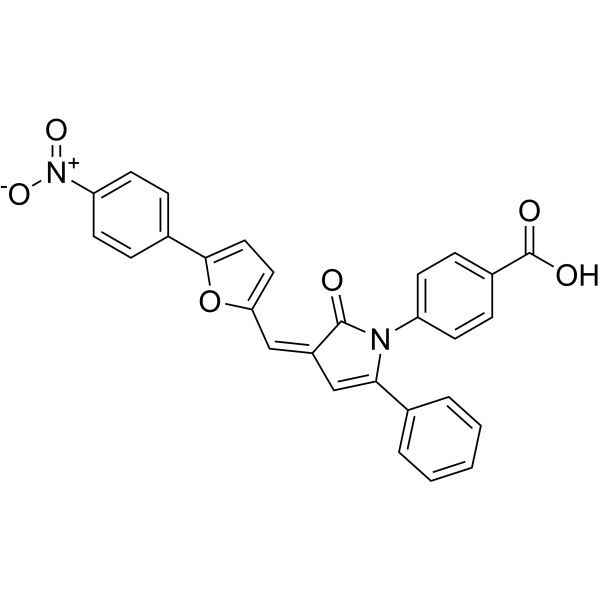 0 Images4E1RCat is an inhibitor of cap-dependent translation, and inhibits eIF4E:eIF4GI interaction, with an IC50 an of ~4 μM.
-
DNL343
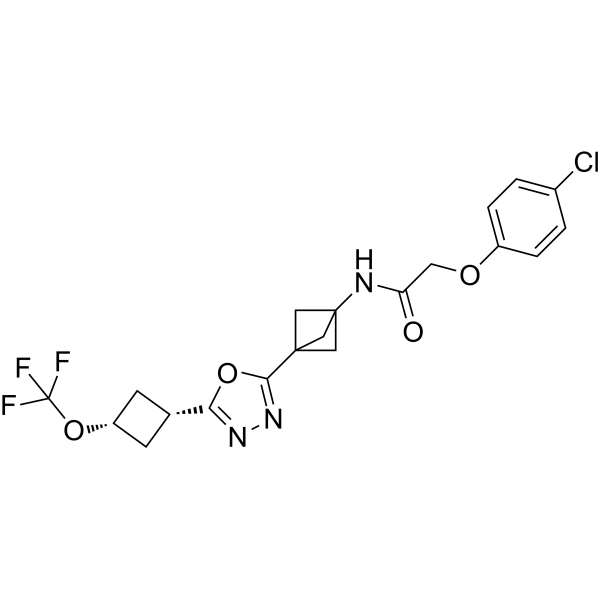 0 ImagesDNL343 is a potent, selective, orally active and brain-penetrant activator of eukaryotic initiation factor eIF2B. DNL343 inhibits the activity of the integrated stress response (ISR) in the central nervous system (CNS) and reverses neurodegeneration and neuroinflammation. DNL343 also prevents motor dysfunction and premature death in eIF2B loss-of-function (LOF) mutant mice. DNL343 can be used in the study of neurodegenerative diseases.




